MidJourney AI: Text to Image
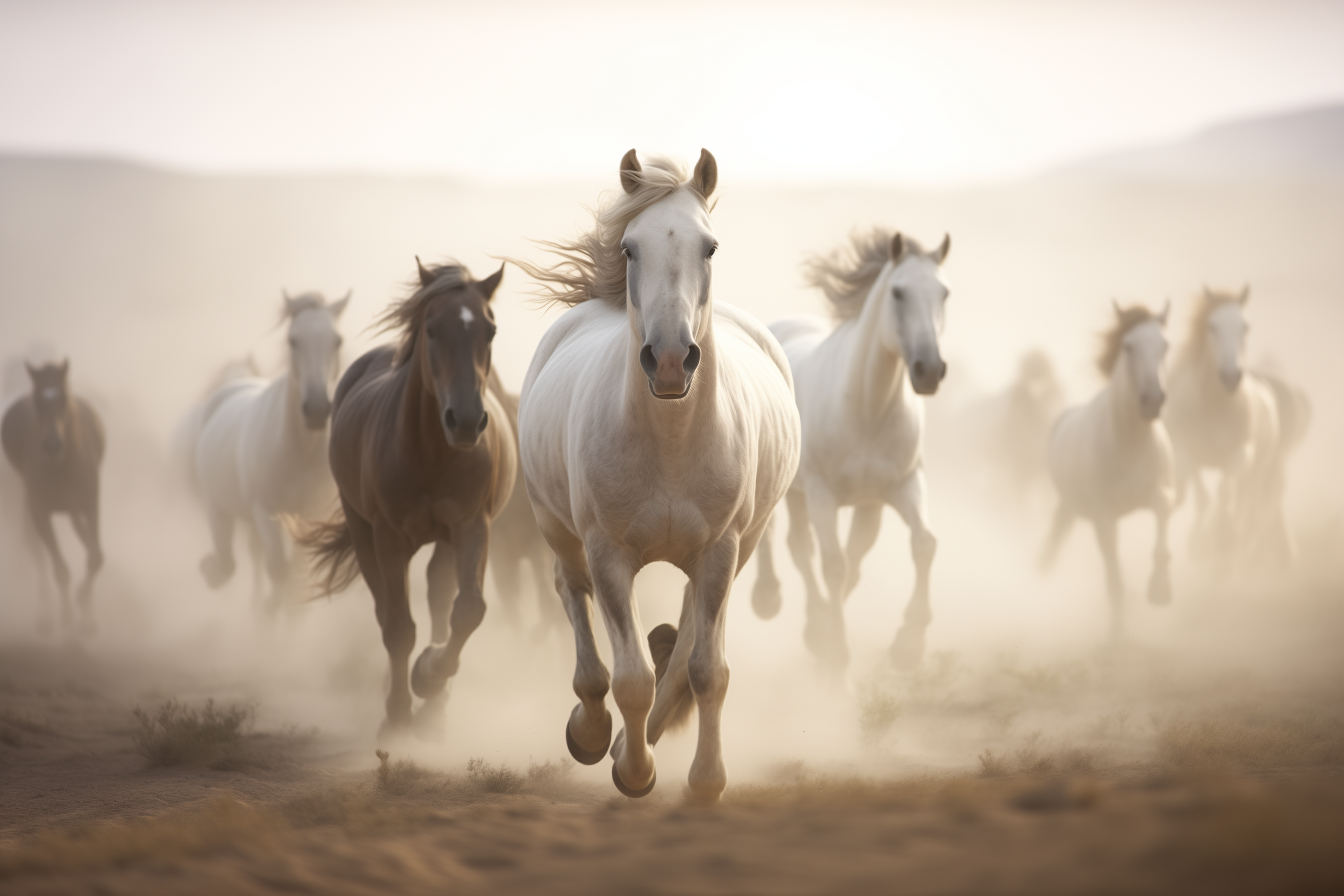
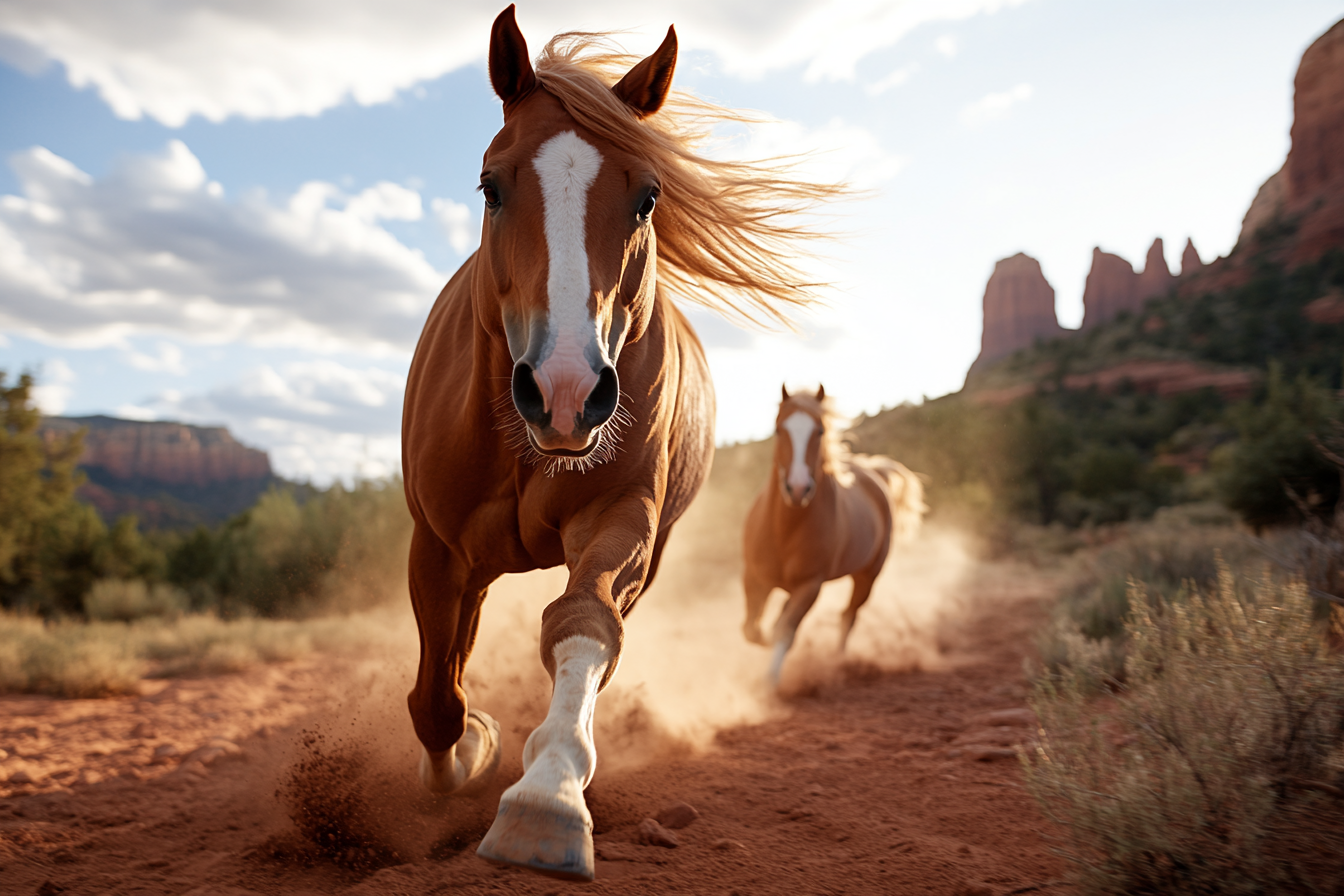
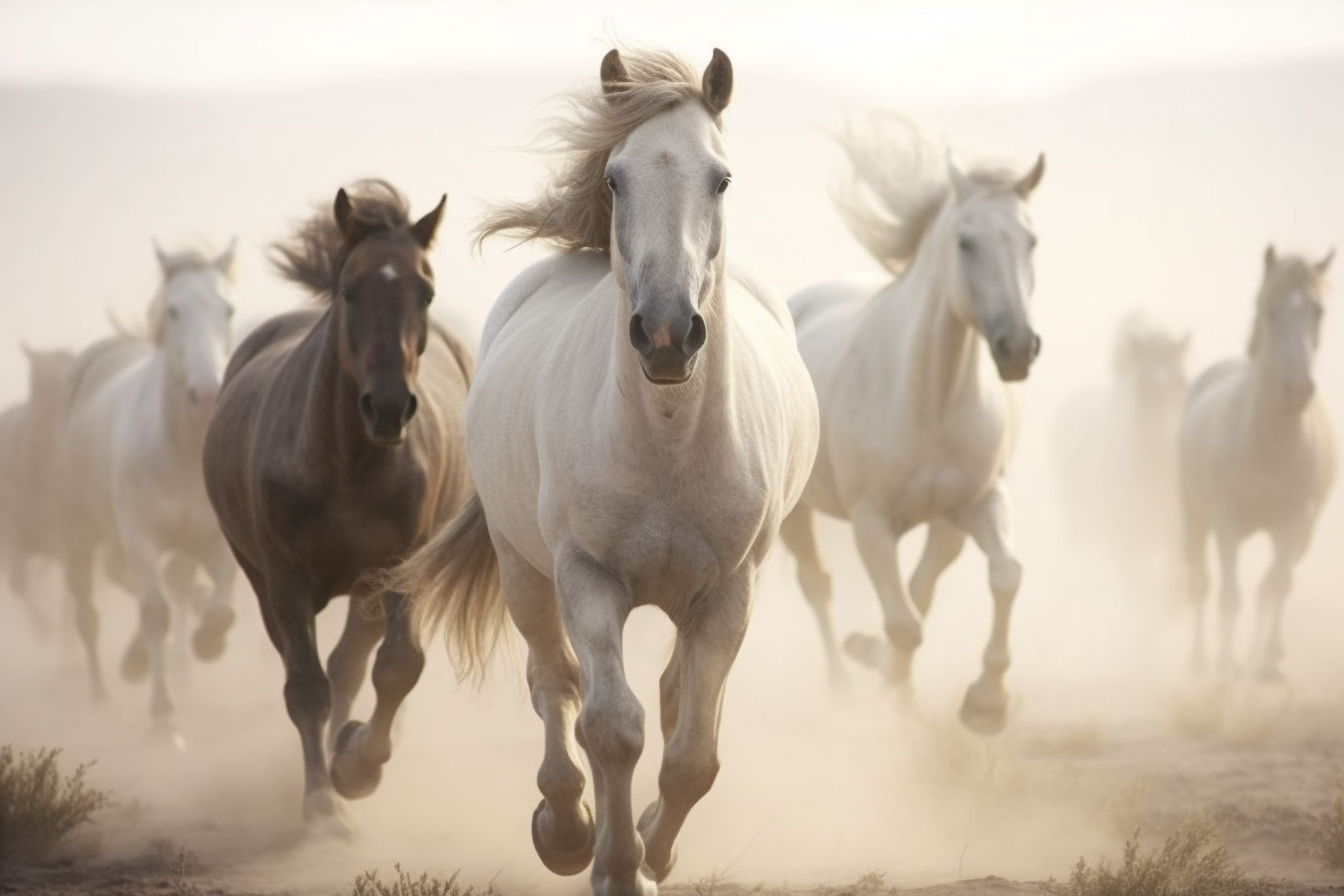
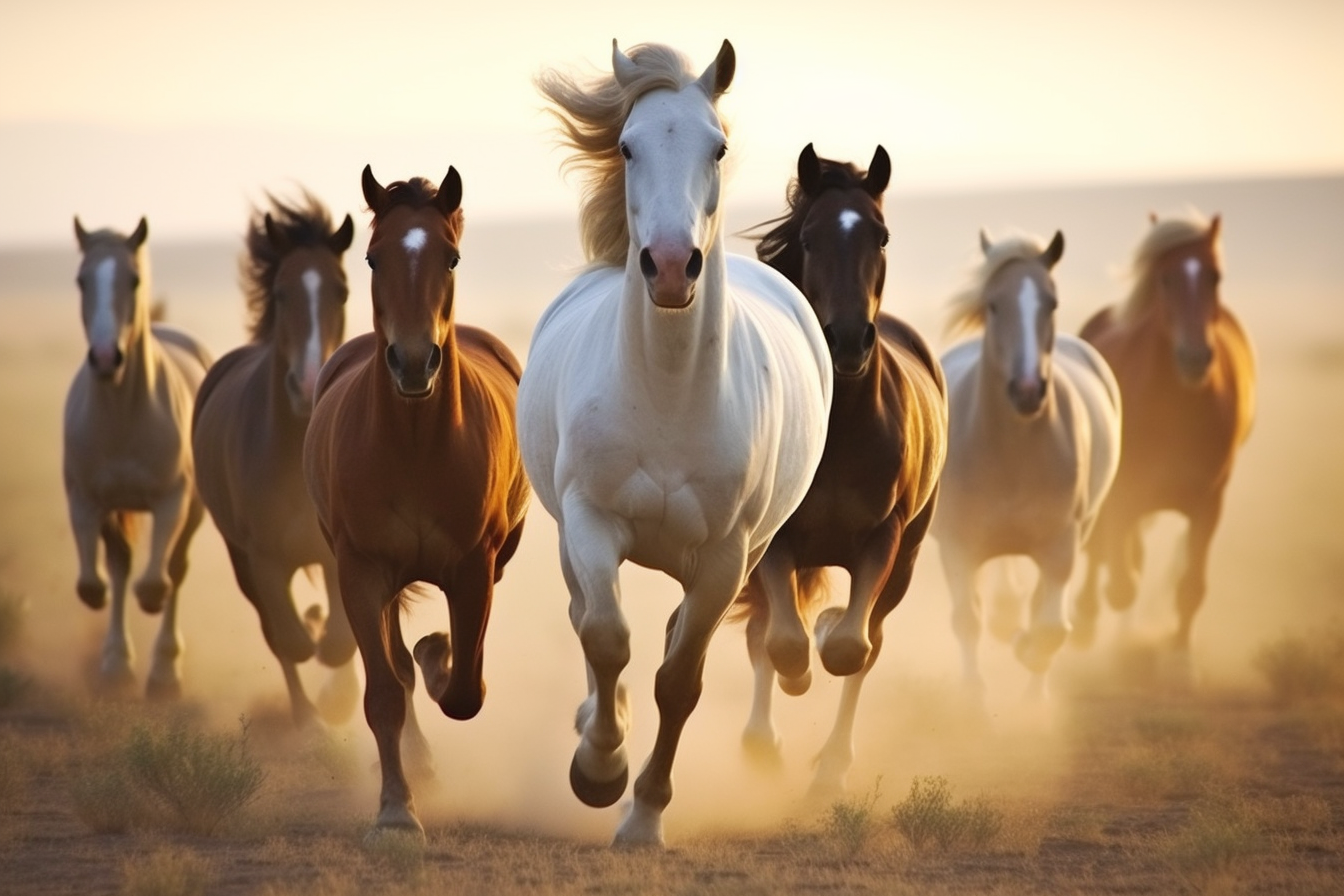
Wild wild horses could not drag me away
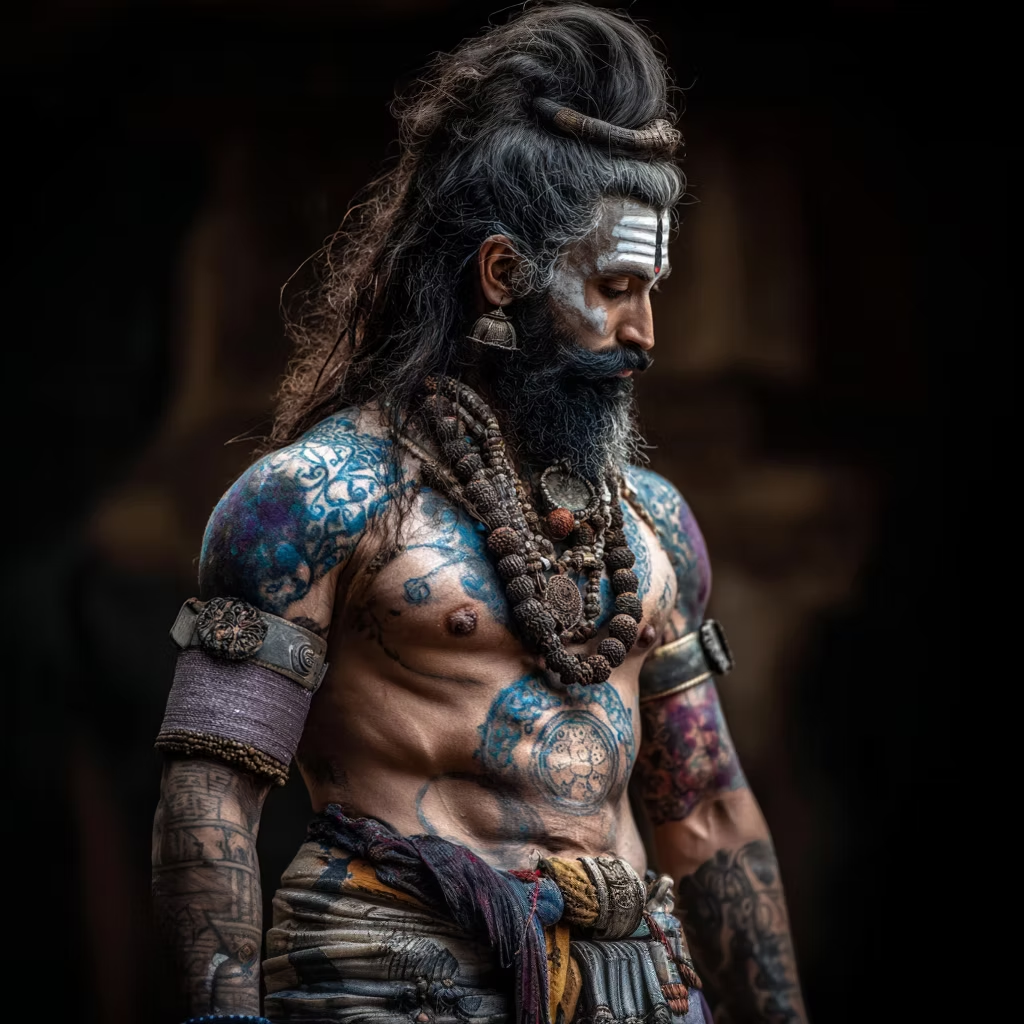
This image does not depict Shiva as: - cosmic dancer - destroyer in turn - mythic god beyond reach
It depicts Shiva as Sat-Chit-Ānanda embodied: - Sat (being): grounded, heavy, undeniable presence - Chit (awareness): inward gaze, disciplined attention - Ānanda (bliss): not ecstasy, but deep, settled sufficiency
This is the Shiva that appears after the fire has done its work.
Ash Marks (Vibhuti) The white ash on the forehead and face announces cremation-ground wisdom: Everything burns. What remains is truth. This is Mahākāla—time conquered not by force, but by acceptance.
Hair & Serpent Form The bound, matted hair evokes tamed chaos. Nothing wild has been eliminated—only mastered. The subtle serpent-like coil reinforces kundalini at rest: awakened, disciplined, no longer dormant.
Beard & Age This is not youthful divinity. This is earned divinity—the god who has endured. Shiva here is closer to an elder yogi than a celestial being, aligning with the ascetic tradition rather than temple ornamentation.
Tattoos & Mandala Geometry The blue and indigo markings resemble yantras and mandalas rather than decoration. They read as inscribed consciousness—the body itself becomes scripture. This is very non-dual: the sacred is not worn; it is written into flesh.
Rudraksha Beads Multiple malas signal repetition, discipline, breath-counting, mantra. Not devotion as emotion, but practice as endurance. This Shiva does not pray for relief—he stays.
Torso & Physique The body is powerful but not inflated. No theatrical dominance. Strength without display. This aligns with Shiva as the one who does not need to prove sovereignty—because he has relinquished ownership.
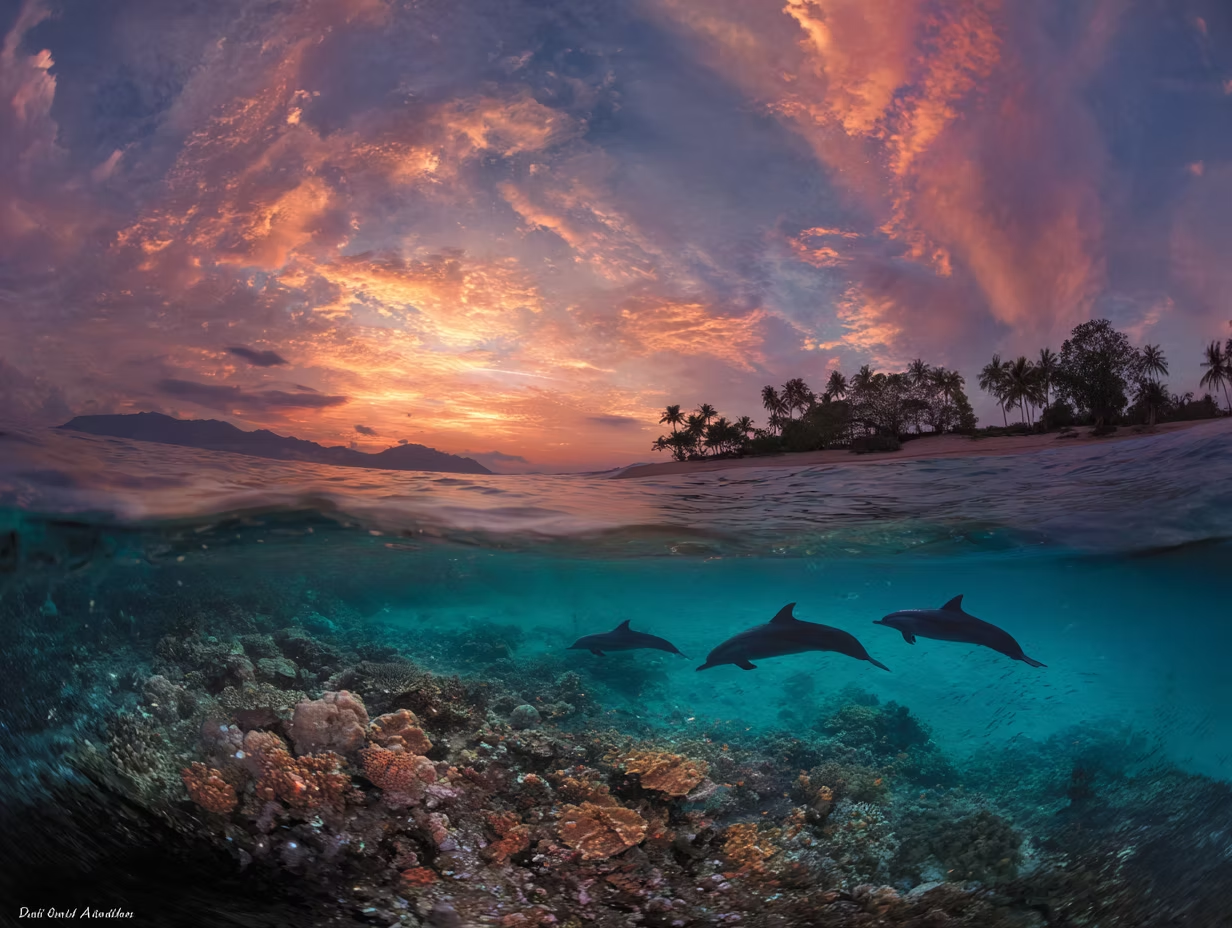
This image is a spectacular split-level (over-under) photograph that captures two distinct worlds simultaneously: a vibrant tropical sunset above the water and a serene marine landscape below. The perspective is wide-angle, creating a slight "fisheye" curvature that makes the environment feel expansive and enveloping.
Above the Surface The upper half of the image is dominated by a dramatic sky awash in fiery colors. The clouds are streaked with intense shades of orange, salmon pink, and violet, set against a deepening blue backdrop, indicating the moment just after sunset or before sunrise. To the right, a lush island shoreline is visible, silhouetted with the distinct shapes of palm trees leaning over the water. In the distance to the left, a mountainous landmass fades into the horizon. The surface of the water is rippled, catching the reflection of the burning sky.
Below the Surface Beneath the waterline, the scene shifts to cool, clear turquoise and deep blue tones. The focal point is a pod of three dolphins swimming in formation from right to left. Their sleek, dark bodies contrast sharply against the bright water, capturing a sense of graceful motion. The bottom of the frame is anchored by a detailed coral reef. The reef is textured and dense, displaying earthy tones of rust, orange, and brown, fading into shadow at the corners.
Overall Atmosphere The composition creates a perfect balance between the warm, ethereal atmosphere of the air and the cool, silent mystery of the ocean. The diving line of the water surface acts as a shimmering horizon, merging the celestial and the aquatic into a single, harmonious image of natural beauty. The lighting is cinematic, highlighting the "blissful" nature of the tropical paradise.
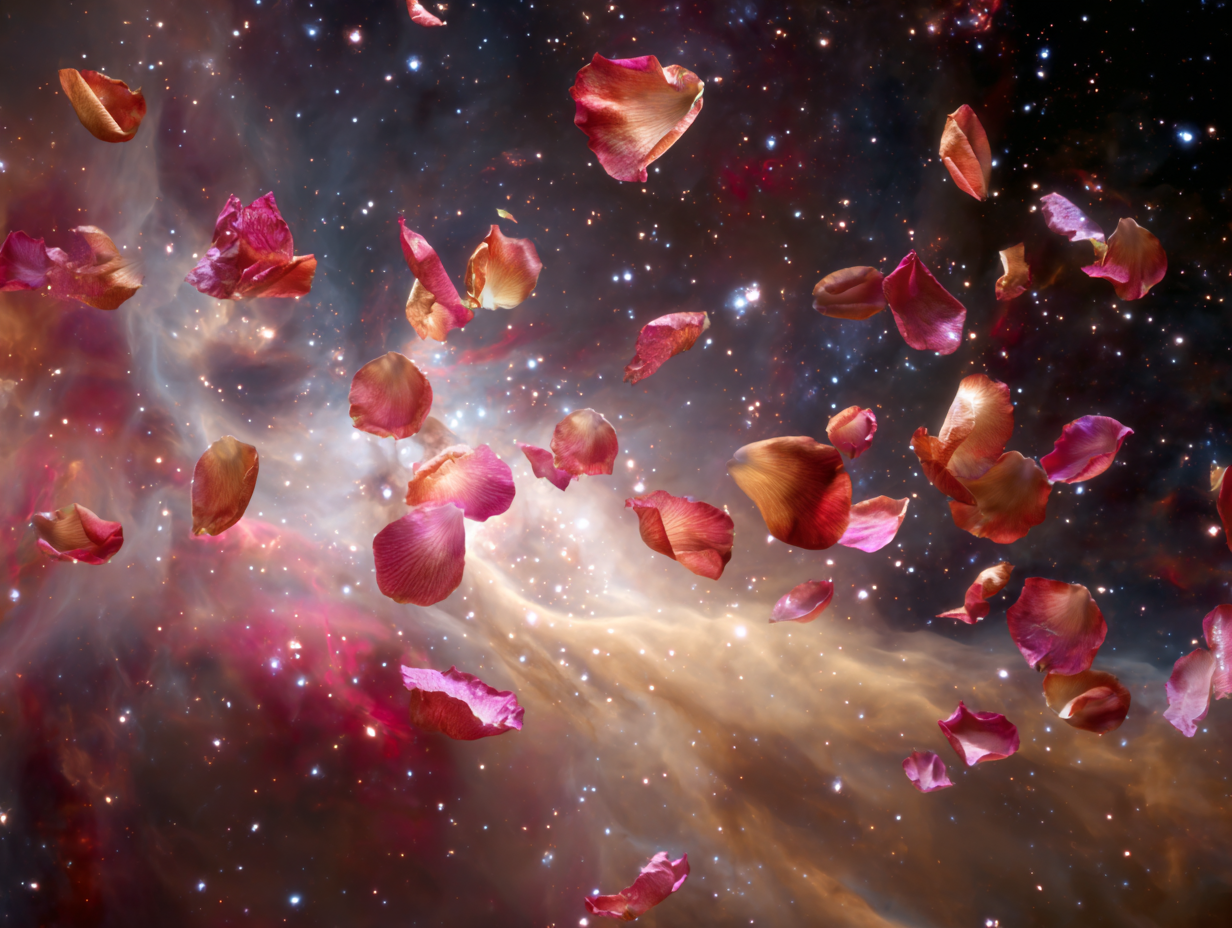
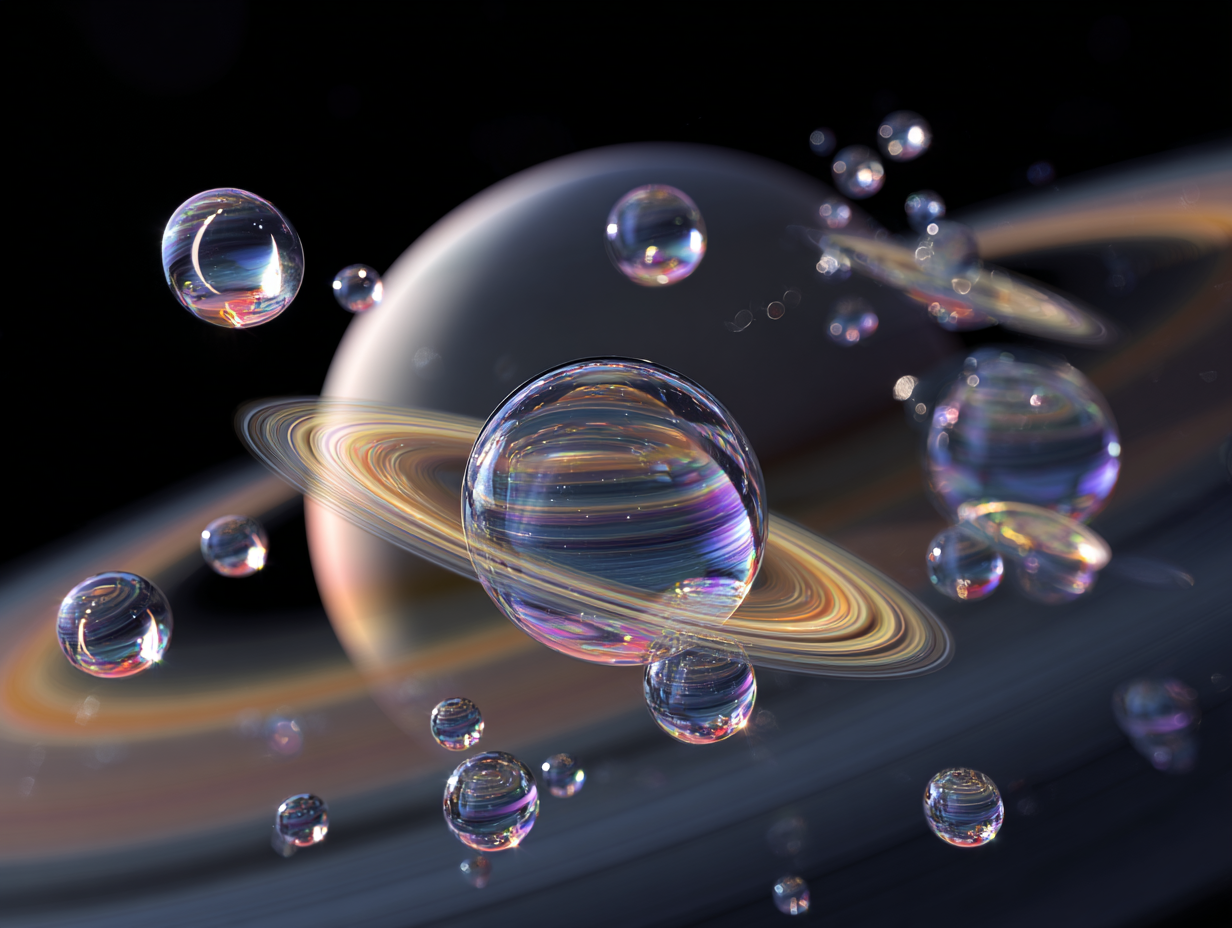
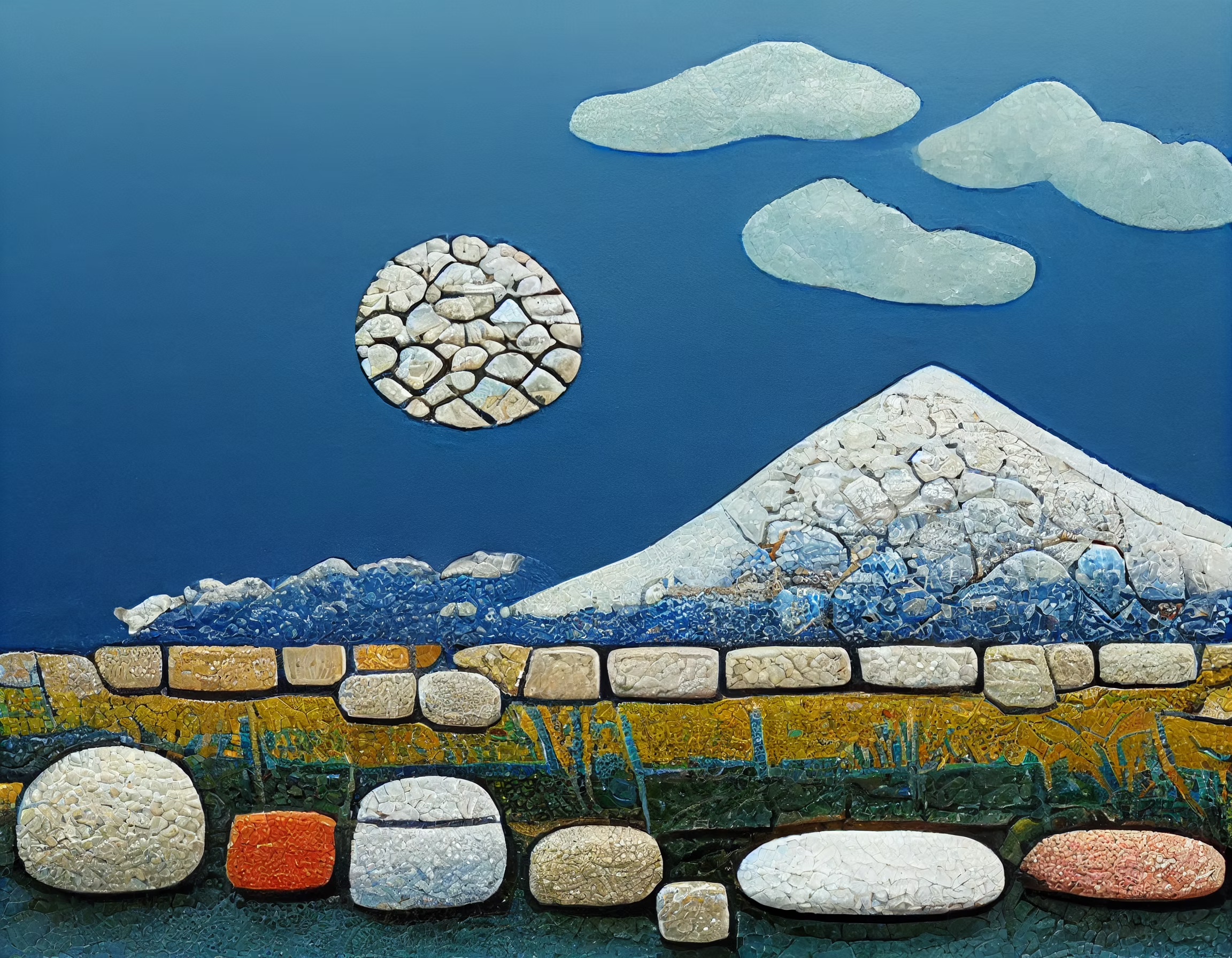
Andy Goldsworthy (b. 1956) is a renowned British sculptor, photographer, and environmentalist known for his site-specific land art made from natural materials found on-site, such as leaves, ice, snow, stones, and twigs. His work is often ephemeral, with pieces designed to change or decay over time, existing primarily through the photographs he takes of them at their peak.
Key Aspects of His Work - Materials and Process: Goldsworthy uses only natural, often local, materials and typically works with his bare hands, teeth, and found tools to create his pieces. He views his process as a "collaboration with nature," magnifying natural processes through minimal intervention. He is considered the founder of modern rock balancing. - Ephemerality and Time: Central to Goldsworthy's philosophy is the transient nature of his works, which embrace the cycles of life, death, and regeneration in nature. The inevitable decay is an integral part of the art, and the photograph is how the moment of the work "most alive" is preserved and shared with an audience.
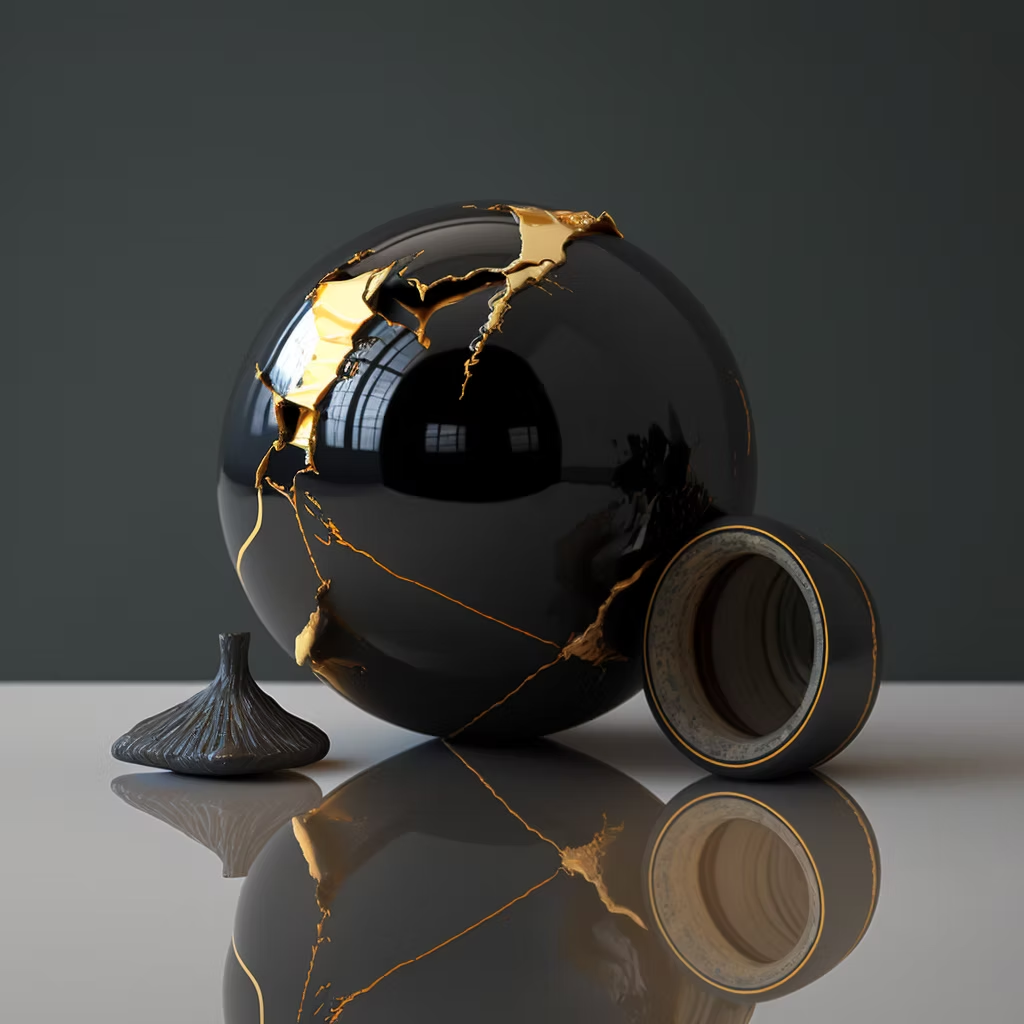
Traditional Kintsugi is made using a meticulous, multi-step process involving natural urushi lacquer (a compound found in sumac and poison ivy that can cause allergic reactions when wet) and powdered gold, which can take weeks or months to complete due to drying times.
Materials The primary materials for traditional kintsugi are: - Raw urushi: Natural, highly adhesive lacquer collected from the urushi tree's sap. - Powders: Wheat or rice flour, fine sawdust, or abrasive clay powder are mixed with urushi to create adhesives and putties. - Finish: Powdered gold, silver, or platinum